 Hugh Kinnins
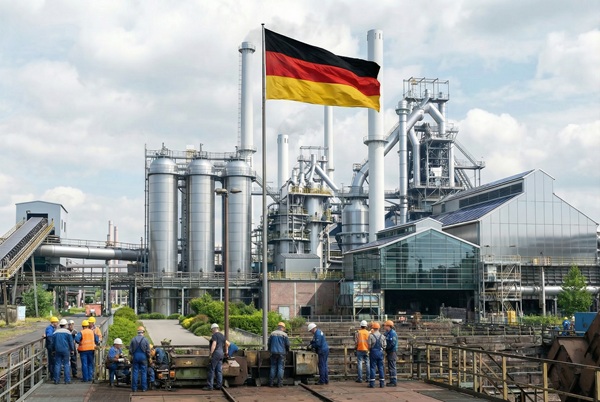
Germany has become one of the most active destinations for skilled professionals seeking stable careers and structured employment pathways. Its labour market depends strongly on qualified workers, and many German companies turn to international hiring when they are unable to fill roles locally. Sponsorship for foreign workers is now an important part of the country’s economic strategy, particularly in technology, engineering, healthcare, research, logistics and specialised vocational fields.
While there is no single formula that guarantees employment, German employers often follow a clear pattern when evaluating foreign applicants. They look for skills that can support long term growth, reduce training costs and ensure smooth integration into a workplace that values efficiency, clarity and reliability. Understanding these expectations gives applicants a significant advantage, especially when applying for visa sponsored roles.
Technical Skills That Match Current Labour Shortages
Germany faces ongoing shortages in several high skill sectors. Employers often begin their evaluation with the question of whether an applicant can fill a gap that local candidates cannot. Technical skills are therefore central to sponsorship decisions.
1. Engineering and Industrial Expertise
Engineering remains one of the strongest pillars of the German economy. Mechanical engineering, civil engineering, electrical engineering and automotive design continue to experience shortages.
Employers look for:
- Experience with industrial systems
- Knowledge of manufacturing processes
- Competence in maintenance and safety procedures
- Skill in reading and designing technical plans
- Familiarity with industry tools and machinery
Applicants who bring a strong engineering background often move through the sponsorship process quickly because their skills support essential industries.
2. Information Technology and Software Development
Digital transformation is reshaping nearly every sector in Germany. As a result, companies are recruiting foreign workers who can support software development, data management, cybersecurity and artificial intelligence.
Important skills include:
- Programming in languages used for enterprise development
- Understanding of cloud systems
- Ability to manage databases
- Skill in network security
- Experience with automation or machine learning
Applicants who show competence in both programming and system management usually attract strong employer interest.
3. Healthcare and Medical Support Skills
Germany has one of the largest healthcare networks in Europe and an ageing population that increases the demand for trained medical workers. Hospitals and clinics often seek foreign applicants who can fill roles in nursing, geriatric care, radiology and laboratory work.
Key skills include:
- Patient care and monitoring
- Clinical documentation
- Medical equipment handling
- Knowledge of hygiene standards
- Ability to support doctors and senior nurses
Although licensing requirements vary, employers appreciate applicants who already have recognised qualifications.
4. Skilled Trades and Technical Vocations
Germany’s vocational training system creates many opportunities for foreign workers with practical skills. Employers often need electricians, plumbers, welders, machine operators, carpenters and industrial technicians.
Common expectations include:
- Ability to read technical manuals
- Experience with repairs and maintenance
- Knowledge of workplace safety
- Skill in tool handling
- Familiarity with industrial structures
These vocational skills are in constant demand and form a major part of Germany’s workforce strategy.
Soft Skills That Support German Workplace Culture
German employers value soft skills that promote teamwork, reliability and clarity. These qualities influence how well an applicant integrates into the work environment.
5. Reliability and Strong Work Discipline
German workplaces place high importance on punctuality, consistency and dedication. Employers appreciate foreign workers who show a steady work ethic and an organised approach to tasks.
Applicants should show:
- Timely completion of assignments
- Respect for deadlines
- Ability to follow instructions
- A record of stable employment
Manufacturing companies, healthcare organisations and technology firms rely on dependable employees who contribute to workplace stability.
6. Clear and Structured Communication
German work environments depend on structured communication. Clarity helps avoid errors and ensures smooth coordination between departments.
Employers often look for:
- Ability to explain tasks in a simple, direct manner
- Skill in writing emails and reports
- Respectful communication with colleagues
- Confidence during meetings
- A calm and professional tone
Even without full language fluency, a candidate who communicates clearly in English often earns positive feedback.
7. Adaptability to Organised Systems
German companies follow organised procedures. Foreign workers who can adjust to structured processes are considered valuable.
Examples include:
- Adapting to documented workflows
- Following defined safety rules
- Respecting organisational hierarchy
- Using digital systems for reporting
- Maintaining neat records
Adaptability shows that the applicant can integrate without creating unnecessary delays or training burdens.
Language Skills and Cultural Competence
Although many international companies in Germany use English as a working language, a basic knowledge of German is often seen as a long term advantage.
8. Basic German Language Ability
While not always a requirement, German employers are more confident when an applicant has at least elementary German knowledge. This helps with integration and reduces communication difficulties.
Skills include:
- Understanding simple instructions
- Writing short messages
- Communicating with clients or colleagues
- Reading workplace signs or documents
Language schools, integration programs and online courses help applicants strengthen this competence.
9. Respect for Cultural Norms and Professional Conduct
Germany has a workplace culture that values precision, honesty and responsibility. Employers look for candidates who show awareness of these norms.
This includes:
- Respect for time
- A straightforward communication style
- A calm approach to problems
- Professional boundaries
- Honesty in reporting challenges or delays
These qualities help maintain smooth relationships within teams.
Problem Solving and Analytical Skills
German companies look for workers who can evaluate problems and offer practical solutions. This skill is especially important in engineering, technology and logistics.
10. Ability to Identify Practical Solutions
Employers value applicants who can analyse situations and resolve operational challenges.
Skills include:
- Assessing issues quickly
- Offering clear solutions
- Understanding how processes affect each other
- Applying logic to daily tasks
This competence is crucial in sectors where accuracy influences safety and productivity.
11. Critical Thinking and Evaluation
Many roles require the ability to interpret data, measure performance and evaluate risks.
Applicants who can:
- Analyse technical data
- Review performance indicators
- Interpret instructions with accuracy
tend to meet employer expectations more easily.
Teamwork, Collaboration and Leadership Potential
German companies often depend on coordinated teamwork. Even in technical sectors, cooperation remains central to daily operations.
12. Ability to Work Smoothly in Teams
A successful candidate is one who can respect colleagues, share ideas and contribute to group tasks without conflict.
Key qualities include:
- Respectful dialogue
- Willingness to learn from others
- Responsibility during team projects
- Support for group goals
Employers often look at past experiences to assess these traits.
13. Leadership Qualities for Senior Roles
When sponsoring workers for higher positions, companies look for leadership capability.
This includes:
- Supervising teams
- Training junior staff
- Managing schedules
- Handling project deadlines
- Guiding decision making
Leadership is not always about authority. In Germany it often involves structure, fairness and clear communication.
Digital Literacy and Modern Workplace Skills
Nearly every industry in Germany now depends on digital tools. Applicants who show comfort with technology often stand out.
14. Competence in Digital Tools
Employers look for applicants who can:
- Use office software
- Operate digital reporting systems
- Work with online platforms
- Handle technical documentation
Digital literacy reduces onboarding time and supports faster integration.
15. Understanding of Data Protection and Workplace Security
Germany follows strict data protection rules. Workers must handle information carefully. Employers value applicants who can follow these rules with sensitivity and discipline.
This may include:
- Respecting privacy
- Storing files correctly
- Following digital security instructions
These habits help maintain trust and compliance.
Practical Skills for Visa Sponsored Roles
Visa sponsorship adds another layer of expectations. Employers look for candidates who can succeed not only at the job but also within the immigration process.
16. Documentation Preparedness
Applicants must be able to prepare documents with care. Employers value candidates who keep records organised and accurate.
This includes:
- Certificates
- Reference letters
- Training records
- Clear employment history
Prepared candidates make the sponsorship process smoother.
17. Willingness to Commit to Long Term Employment
Sponsorship requires time and investment. Employers prefer candidates who show willingness to remain with the organisation.
Signals include:
- Stable past employment
- Clear career goals
- Reasonable expectations
- Respect for company culture
Long term commitment supports workforce continuity.
Why These Skills Matter to German Employers
German companies invest time, money and administrative effort when recruiting workers from other countries. As a result, they choose candidates who show competence, reliability and potential for long term contribution. The skills listed above help employers reduce risk, manage training costs and build strong teams that support growth.
A foreign applicant who understands these expectations stands a better chance of getting hired and sponsored. With a clear profile, structured documentation and a professional attitude, an applicant can navigate the sponsorship process more smoothly.
The article cited the following authoritative sources:
Make it in Germany (Federal Government of Germany)
Official portal for skilled immigration and employer needs
2. Federal Employment Agency (Bundesagentur für Arbeit)
Labour shortages and skilled worker demand in Germany
3. Federal Office for Migration and Refugees (BAMF)
Skilled immigration framework and employer integration expectations
4. European Commission – Germany Country Labour Market Overview
EU-level confirmation of Germany’s dependence on skilled migration

 Hugh Kinnins