 Hugh Kinnins
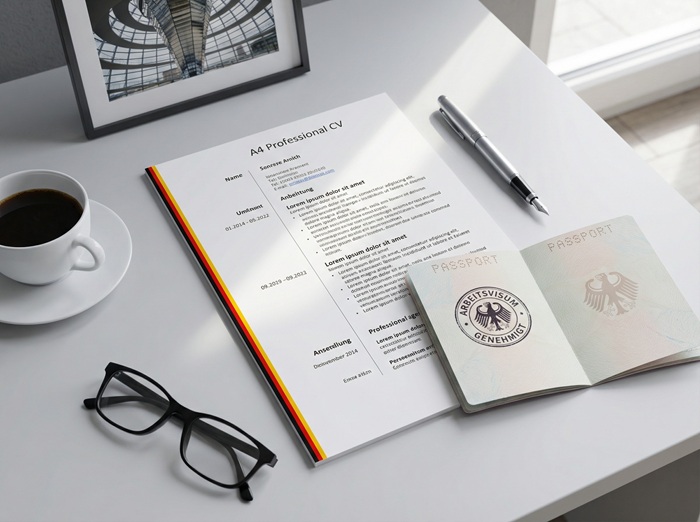
Did you know that crafting a CV for the German job market calls for a clear structure, steady logic, and close attention to factual details? This is because employers in Germany value order and accuracy. So every section of your document should reflect these expectations. A well-prepared CV can strengthen your visa application and increase your chances of securing a position with reliable sponsorship. What follows is a detailed guide that explains how to produce a document in a manner suitable for international hiring officers, human resources departments, and immigration reviewers.
A German-style CV is usually brief, factual and neatly arranged. It tells your story in a calm and well-reasoned manner. Readers should be able to move from one section to the next without guessing your meaning or straining to understand your experience. Rather than using rich embellishment or broad claims, the German CV favors simple wording, dates aligned on the page, and an orderly timeline. Although modern companies have relaxed some older customs, the general structure remains consistent across most industries.
Understanding the German Hiring Culture
Before writing the document itself, it helps to understand the values behind it. Germany’s firms tend to prioritize consistency, accuracy, and trust. Job seekers are encouraged to provide a precise overview of their background. Hiring teams appreciate applicants who demonstrate a careful approach to details. They examine timelines closely to confirm that work experience is genuine. They also study qualifications to make sure that training matches the job’s responsibilities.
Another common expectation is honesty. If certain periods of your life include gaps in employment, it is better to explain them briefly than to hide them. A clear explanation shows maturity and a sense of purpose. Whether you pursued further study, cared for family members, or searched for better opportunities, a short note is enough. This approach reassures employers and immigration officers that your story is consistent.
When your CV follows these cultural expectations, it shows respect for the system you hope to join. It also makes your application easier to assess for visa purposes, especially when officials check if your skills match your proposed role in Germany.
Length and Format of a German CV
A German CV generally fits within two pages. The structure is straightforward. Most employers prefer a simple font, consistent spacing, and clear section headings. Each entry should include a starting date and ending date in the format of a month and year. Keep paragraphs short and use full sentences only when needed. Bullet points are acceptable as long as they are direct and well organized.
For visa-sponsored roles, clarity matters more than design. Modern templates may allow modest touches of color, yet it is safer to use a traditional layout with dark text on a light background. The aim is to present yourself as a serious applicant with a focused plan.
Required Sections in a German-Style CV
Below is a step-by-step explanation of what to include in each section. Following this order is common practice in Germany and improves your chances of meeting employer expectations.
1. Personal Details
This section sits at the top of the page. It includes your basic identification.
Information to include:
- Full name
- Current address
- Phone number with international code
- Email address written in a professional form
- Nationality
- Date of birth (optional yet common in German applications)
- Visa status if already in Germany
While some countries discourage sharing certain details, the German market still sees them as standard. Employers use them to assess your availability and confirm your identity. If you are applying from abroad, state your intention to relocate for work and mention that you seek visa sponsorship. This information helps hiring officers arrange interview times and plan for relocation steps.
Although a German CV is factual, a short professional summary is still useful. This is a modest paragraph at the top of your document. It should give a calm and precise view of your current strengths, your main field and your professional direction.
Avoid making bold claims. Aim for a measured tone. For example, you can mention your years of experience, your key skills, and your readiness to join a structured work environment in Germany. Keep it short enough to hold attention but long enough to provide a clear picture.
3. Work Experience
This is the central part of your CV. It must be accurate, dated and arranged in reverse order. German employers prefer to start with your current or most recent role and move backward.
Each entry should state:
- Job title
- Employer’s name
- Location of the role
- Start and end dates
- A short list of duties written in calm and factual language
- Any achievements that can be verified
Focus on the tasks that relate directly to the job you are applying for. German hiring teams respect applicants who show discipline in selecting the most relevant information. Rather than filling the CV with long paragraphs, choose concise points that describe the essence of your responsibilities.
If you supervised a team, managed a budget or handled technical tools, mention it in a clean and steady manner. These details show how responsible you are and what kind of work environment you can handle.
For visa-sponsored jobs, this section also helps immigration offices confirm that your background matches your intended role. The clearer and more structured your work experience is, the easier the visa process becomes.
4. Education and Training
List your academic history in reverse order. Begin with your most recent qualification and work backward.
Include:
- Degree or certificate
- Institution name
- Country
- Completion date
- Any major subjects that relate to the job
If you studied outside Europe, consider providing the German equivalent name of your degree. Some employers also appreciate knowing whether your qualification appears in Germany’s official recognition system. Although this is not required, including a simple note can strengthen your application for visa-sponsored work.
Provide a list of pertinent training programs or industry certifications for technical fields. Make sure the titles are precise and consistent.
5. Skills Section
Employers in Germany value a skills section that follows specific categories. Typical categories include technical skills, software proficiency, language skills, and practical abilities related to your profession.
Instead of vague phrases, choose specific abilities. For example, an engineer may list experience with certain tools, while an accountant may list specific financial systems. A healthcare worker may list procedures, regulations or equipment they can handle.
Language skills are important in Germany. State your level of German if you have studied it. Use clear terms such as “basic,” “intermediate,” or “advanced.” If you have an official language certificate, include the level. English proficiency is also valued, especially in international firms.
6. Additional Sections
Depending on your background, you may include one or more of the following:
- Projects
- Publications
- Professional memberships
- Awards
- Volunteer work
- Conferences attended
Only include these sections when they add value. A German CV does not favor unnecessary information, so choose items that reinforce your professional identity.
How to Tailor Your CV for Visa-Sponsored Jobs
Employers and immigration authorities will examine your CV during visa sponsorship, necessitating extra care. Below are key adjustments to improve your chances.
1. Highlight Skills in Demand
Many visa-sponsored positions in Germany relate to nursing, engineering, IT, construction, hospitality, and science-based fields. Your CV should show clear evidence that you hold skills Germany currently seeks. Mention duties that match these needs and avoid vague descriptions.
2. Show Readiness for Relocation
Employers look for candidates who plan ahead. You can mention your willingness to move as soon as the employer supports your visa. Keep the message calm and practical.
3. Display International Work Etiquette
German hiring managers value reliability. Your CV should show stable work periods, steady advancement and responsible decision making. These qualities establish trust, which is essential for visa sponsorship.
4. Present Certifications Clearly
When applying for roles that require strict licensing, such as nursing or engineering, structure your certificates in a separate section. Use accurate names. If your certificates need recognition in Germany, mention whether you are in the process of applying for it.
5. Maintain a Clean Timeline
Gaps in your timeline can slow down a visa assessment. If there are any gaps, kindly provide a brief and balanced explanation. This helps ensure your application receives a fair review.
6. Keep the Language Simple and Neutral
A German-style CV favors calm language. Overly emotional wording weakens the impression of professionalism. Use direct vocabulary and aim for a steady rhythm that reflects reliability.
Cover Letter Considerations
Although your request concerns the CV alone, a German job application normally includes a cover letter as well. The letter provides context for your relocation and interest in the job. It explains how your background fits the company’s needs. A strong CV can stand alone, yet pairing it with a balanced cover letter improves your chances of securing a visa-sponsored role.
Common Mistakes to Avoid
While preparing a German-style CV, it is wise to avoid certain habits that appear in many international applications.
Avoid:
- Unnecessary decoration or complex layout
- Long paragraphs that distract from key points
- Exaggerated claims
- Skills that you cannot verify
- Multiple fonts or decorative icons
Employers in Germany will assess your CV in a measured and thoughtful manner. A clear document shows respect for their time and attention. When your CV follows the orderly structure they expect, you create a strong foundation for your visa application.
Putting It All Together: Sample Outline
Below is a simple outline that follows the logic of a German CV. You can adapt it for your field.
- Personal Details
- Professional Summary
- Work Experience
- Education
- Skills
- Certifications or Training
- Languages
- Additional Information
This format is recognizable across German industries. It helps hiring teams find necessary details quickly and helps immigration offices evaluate your visa eligibility.
How This CV Format Helps With Visa Approval
For work visas based on employment contracts, immigration officers check three main points. They examine your qualifications, the relevance of your experience, and the authenticity of your job offer. A well-structured CV that follows the German style helps streamline this review.
Your document supports your employer’s request by proving that you meet the job’s requirements. It also reduces the risk of confusion when your file passes through different offices. When you show a clear timeline, accurate dates, and steady professional growth, you’re presenting yourself as a reliable candidate.
Detailed Guide to Writing Each Section Well
Below is a more expansive explanation that will help you reach a polished and professional final document suitable for visa-sponsored opportunities.
Personal Details: Practical Tips
Your address should reflect your current location. If you are applying from abroad, add the name of your city and country. Use a phone number with a complete international code. Avoid casual email addresses. Choose one that includes your name because it appears more trustworthy.
If you already live in Germany on a different permit, mention your current status. This helps the employer plan your transition from one permit to another.
Professional Summary: How to Write It Well
A useful summary does not attempt to cover your entire professional story. Instead, it sets the tone. Employers should understand your main strengths within a few lines. Try to include three details: your field, your years of experience, and your key capability. Keep the language steady.
Do not include personal traits or broad statements such as being a hard worker. German employers prefer evidence of skill rather than personality claims.
Work Experience: Expert Suggestions
For each role, list your duties in a consistent format. Start each point with a verb. Stay factual. If you have experience in regulated fields, note your compliance with established procedures. If you worked in international environments, state it clearly because many German companies value cross cultural experience.
Try to limit each entry to the most important points. When hiring teams read hundreds of applications, clarity becomes an advantage.
Education: Presenting Your Background Clearly
Germany places strong value on formal training. Provide full details of each qualification. If you completed your education in a country with a different grading system, you may add a short explanation of your final grade’s meaning. Do this only when it improves clarity.
If your field requires a license, note whether your degree meets the recognition standard in Germany. This is particularly useful in the health care, teaching, engineering, and scientific fields.
Skills: Building an Effective Section
Group your skills in small clusters. For example, an IT professional may create clusters for programming, systems administration and cloud tools. A hospitality worker may use clusters, such as front desk operations, customer service, and reservations.
Avoid generic statements. Each skill should reflect something an employer can test or observe. This makes your CV stronger and more trustworthy.
Languages: How to Present Them Effectively
Germany uses a common language standard called CEFR. If you have taken official exams, list your levels according to this system. If not, please provide a realistic assessment of your ability. Honesty is important because language level affects your visa process.
Additional Information: What to Include
Only add items that increase your credibility as a candidate. For example, if you completed volunteer work related to your field, it helps show your commitment. A list of conferences or workshops also supports your expertise.
Avoid listing hobbies unless they relate directly to your profession. German employers sometimes view unrelated hobbies as unnecessary details.
A German-style CV allows employers to move through your professional history in a calm and systematic way. It reflects values such as precision, honesty, and willingness to take responsibility. When you prepare your CV with these expectations in mind, you stand a better chance of securing a visa-sponsored role.
This structure helps immigration authorities confirm your background quickly. It also helps show that you possess the training and experience needed for your position in Germany. With a thoughtful approach, you can present a document that combines clarity, professionalism and international suitability.
The article cited the following authoritative sources:
Federal Employment Agency of Germany (Bundesagentur für Arbeit)
European Commission – Europass CV Guidance
Standing Conference of the Ministers of Education and Cultural Affairs (KMK) – Anabin Database

 Hugh Kinnins