 Hugh Kinnins
Immigrants have always struggled to find work in the US, but in 2026, the process will be more organized, competitive, and monitored than ever. Employers are careful, immigration laws are strictly followed, and automated hiring algorithms now choose who gets hired long before a person looks at a résumé.
Still, every year immigrants find jobs all around the United States. They don’t get jobs by chance; they do it by knowing how the modern US job market works and making sure their talents, documentation, and expectations are in line with what is legal and professional.
In today’s article, we will show immigrants how to find work in the USA in 2026 using effective methods.
Understanding the US Job Market in 2026
Three dominant forces shape the American labor market in 2026: automation, skills shortages, and compliance risk.
Employers rely heavily on applicant tracking systems, remote screening, and standardized hiring processes. At the same time, there aren’t enough workers in healthcare, engineering, technology, construction, logistics, and education. These shortages create opportunities, but only for candidates who fit defined roles.
At the legal level, employers are careful to comply with hiring regulations overseen by bodies such as the U.S. Department of Labor and the U.S. Equal Employment Opportunity Commission. This means resumes, interviews, and job offers follow strict rules designed to avoid discrimination and unauthorized hiring.
Work Authorization Comes First
Before applying for jobs, immigrants must understand their work authorization status. In 2026, employers rarely move forward without clarity on this point.
Common lawful work authorization categories include:
- Permanent residents (green card holders)
- Temporary work visa holders
- Certain humanitarian or family-based authorization holders
- International graduates with valid employment authorization
Job seekers should never misrepresent authorization status. Employers verify eligibility through federal systems after hiring, and inconsistencies can lead to termination.
This is because guidance from U.S. Citizenship and Immigration Services makes clear that authorization must be valid at the time of employment, not just at application.
Choosing the Right Jobs to Apply For
Not every job is realistic for every immigrant. Success depends on targeting roles that match both skills and authorization.
Some employers openly hire immigrants and sponsor qualified workers. Others do not sponsor under any circumstances. Applying blindly wastes time and increases rejection.
In 2026, immigrants improve their chances by focusing on:
- Skill-based roles with documented shortages
- Employers with a history of hiring international talent
- Positions aligned with previous education and experience
- Industries with structured hiring pipelines
Entry-level jobs remain available, but professional immigrants often advance faster by staying within their field.
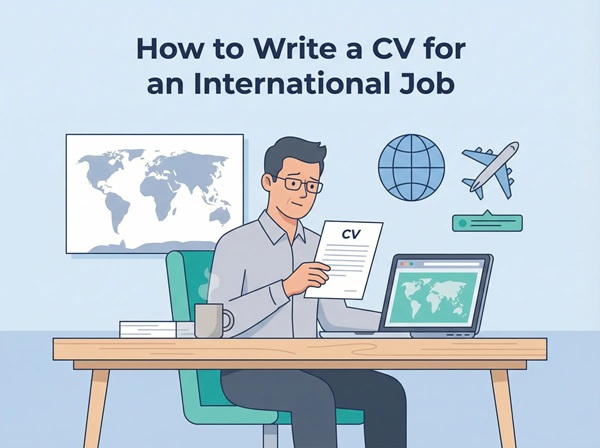
Writing a US-Standard Resume
A US resume is short, direct, and results-focused. It is not a biography and it is not an immigration document.
Key rules include:
- One to two pages only
- No photo or personal details
- Clear job titles and dates
- Achievement-focused bullet points
- Simple formatting compatible with screening systems
Immigrants often fail not because they lack experience, but because resumes are written in formats unfamiliar to American recruiters.
Work authorization is usually listed only if explicitly required. The resume should sell skills, not immigration history.
Mastering Applicant Tracking Systems
In 2026, software screens the majority of resumes prior to human review. These systems look for keywords, job titles, and formatting consistency.
To pass these systems:
- Match resume language to job descriptions
- Use standard section headings
- Avoid graphics, tables, or unusual fonts
- Include relevant tools, certifications, and technologies
This step is critical. Even highly qualified immigrants are rejected automatically when resumes cannot be read by software.
Networking Still Matters More Than Applications
Despite technology, personal connections remain one of the strongest paths to employment.
In the US, networking does not mean asking strangers for jobs. It means building professional familiarity.
Effective networking strategies include:
- Engaging on LinkedIn with industry professionals
- Attending virtual or local professional events
- Joining immigrant or industry associations
- Requesting informational conversations, not favors
Many immigrants secure interviews because someone internally submits or supports their application.
Using Job Platforms Strategically
In 2026, the most effective job platforms for immigrants include:
- Major job boards
- Professional networking platforms
- Company career pages
- University or alumni portals
Applying through company websites often yields better results than third-party listings. Employers trust direct applications more and retain better control over compliance.
Quality matters more than quantity. Ten well-targeted applications outperform one hundred random submissions.
Interviewing as an Immigrant in the US
US interviews focus on competence, communication, and fit.
Interviewers expect:
- Clear explanations of past work
- Examples of problem-solving
- Direct answers without over-formality
- Professional confidence, not humility
Accents are common and accepted, but clarity matters. Practicing responses and understanding American workplace norms improves outcomes significantly.
Questions about work authorization are typically limited and standardized. Employers avoid improper inquiries to comply with labor law.
Understanding Employer Sponsorship in 2026
Sponsorship exists, but it is selective. Employers sponsor workers when skills are difficult to find locally and the business case is clear.
Immigrants increase sponsorship chances by:
- Demonstrating specialized or advanced skills
- Showing long-term value to the employer
- Avoiding early pressure about visas
- Allowing employers to raise sponsorship themselves
A job offer usually comes before sponsorship discussions begin.
Avoiding Common Mistakes That Cost Jobs
Immigrants often sabotage opportunities without realizing it.
Frequent mistakes include:
- Applying for jobs without proper authorization
- Including personal or immigration details on resumes
- Using non-US resume formats
- Overstating experience
- Accepting illegal or informal work arrangements
Avoiding illegal employment is crucial as it poses significant long-term risks.
Free and Legitimate Support Resources
Many immigrants are unaware of legitimate job-search assistance available to them.
Public resources such as American Job Centers offer resume help, training referrals, and job listings at no cost. These services operate within US law and employer standards.
Community organizations, universities, and professional associations also provide support without charging excessive fees or making false promises.
Long-Term Career Strategy Matters
Getting the first job is only the beginning. Immigrants who succeed in the US plan for progression.
Their strategy includes:
- Continual skill development
- Professional certifications
- Strong performance and references
- Legal awareness of employment rights
Getting a job in the USA as an immigrant in 2026 is challenging, but it is far from impossible. The system favors preparation, clarity, and compliance. Immigrants who understand how employers think, how hiring systems work, and how laws shape decisions place themselves at a real advantage.
There are no shortcuts that last. But for those who align skills with demand, follow lawful pathways, and present themselves professionally, the US job market remains open.
Authoritative sources used in the article:
U.S. Work Authorization and How Foreign Nationals Can Work in the United States
https://www.uscis.gov/working-in-the-united-statesJob Search Platforms and Tips for Finding Work in the USA
https://www.comun.app/en/blog/pages-to-find-jobs-in-the-usaAmerican Job Centers — Federal Job Search Assistance
https://www.dol.gov/agencies/eta/american-job-centers


 Hugh Kinnins