 Hugh Kinnins
Germany has become one of the most attractive destinations for foreign workers who want steady employment and long-term stability. Many people believe that only highly trained professionals can work in Germany, yet the demand for unskilled and low-skilled workers has grown sharply recently. Employers in several industries now sponsor visas for roles that do not require advanced degrees. This gives many immigrants a realistic chance to move, work, earn, and build a future in one of Europe’s strongest economies.
A shortage of workers across the country has pushed employers to search for reliable people from abroad. Population changes, aging demographics, and growing service sectors mean that Germany needs more hands in jobs that keep daily life running. These include cleaning, logistics, agriculture, hospitality, warehouse support, caregiving assistance, and other manual roles. For many immigrants, these opportunities offer a pathway to permanent work, language improvement, and integration.
This guide explains what unskilled jobs are available, how visa sponsorship works, which industries hire foreign workers, what requirements apply, and how newcomers can prepare for a successful application.
Understanding Unskilled Jobs in Germany
Unskilled or low-skilled jobs refer to positions that do not require advanced training, professional certification, or university education. Most of these jobs offer on-the-job training. What matters most is reliability, physical ability, willingness to learn, and readiness to adapt to the work environment.
Despite the term “unskilled,” these jobs are essential for Germany’s economy. Many industries depend on workers who carry out routine tasks that keep production, logistics, and daily operations stable. Employers appreciate candidates who show dedication. Some workers later move into higher positions after gaining experience.
Common responsibilities in unskilled roles include sorting, cleaning, packaging, lifting, transporting goods, serving customers, and supporting trained staff in their tasks. Most jobs provide regular schedules. Some require shifts, weekend work, or seasonal labor.
Why Germany Needs Unskilled Workers
Germany’s worker shortage affects both technical industries and entry-level sectors. Several reasons explain this trend.
1. An Aging Population
Germany has one of the oldest populations in Europe. As older workers retire, fewer young people are available to fill open roles. Many jobs that support daily services cannot be automated. These vacancies create opportunities for immigrant workers who can meet basic physical and communication requirements.
2. Expanding Service Sectors
Shopping, hospitality, tourism, logistics, and urban services continue to grow. These industries depend on staff who can perform hands-on duties. Employers now look beyond the local workforce to maintain operations.
3. Seasonal and Agricultural Needs
Farms and food processing centers need workers during planting and harvest seasons. Local interest in these jobs remains limited, so employers hire foreign workers through sponsorship or temporary work programs.
4. Increased Demand in Elderly Care
Germany has a high demand for caregivers and support staff. While skilled caregivers require training, many unskilled support roles are open to foreigners who assist trained nurses with daily tasks.
Examples of Unskilled Jobs Commonly Sponsored in Germany
The jobs listed below are among the most frequent roles available to foreign workers who enter Germany through visa sponsorship programs.
1. Warehouse Assistants
Warehouses form a major part of Germany’s logistics chain. Workers help with packaging, sorting, scanning, lifting, and preparing goods for shipment.
2. Cleaners and Housekeeping Staff
Hotels, hospitals, factories, and office buildings regularly hire cleaning staff. Most employers train workers directly. This field has a steady need for newcomers.
3. Hospitality Support Staff
Restaurants and hotels hire dishwashers, kitchen helpers, room service attendants, and servers. German cities with high tourism especially need additional help.
4. Factory and Production Line Workers
Production workers assist with assembling goods, monitoring simple machinery, packaging items, and maintaining production lines. These roles are common in food processing, plastics, metal production, and electronics assembly.
5. Agricultural and Farm Laborers
Farm workers assist with planting, harvesting, sorting fruit and vegetables, and carrying out general farm duties. Some positions are seasonal, while others offer longer contracts.
6. Elderly Care Assistants
Support workers help trained caregivers with daily care tasks. Duties may include feeding assistance, room organization, and companionship. Some roles evolve into more advanced positions after further training.
7. Delivery and Logistics Assistants
Couriers, parcel movers, and transport helpers play an important role in Germany’s online shopping economy. Employers train workers to handle deliveries and coordinate shipments.
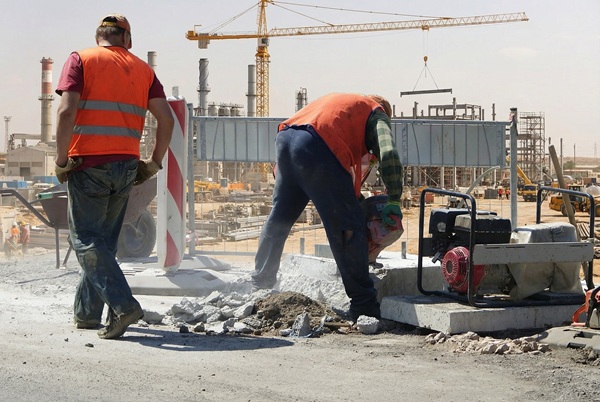
8. Construction Helpers
General laborers assist skilled builders with tasks such as carrying materials, preparing work areas, and cleaning construction sites.
Types of Visas that Support Unskilled Work in Germany
While Germany is known for its skilled worker visa, unskilled employment also has clear immigration pathways. These options depend on the employer, job type, and contract terms.
1. Work Visa Based on an Employment Contract
Employers who face shortages may sponsor a foreign worker directly. The applicant needs a signed employment contract before submitting the visa request. The visa allows entry into Germany to work in that specific role.
2. Seasonal Work Visa
This visa applies to agriculture and food processing jobs. Workers receive short term contracts during busy periods. Many use this as a starting point before exploring long-term options.
3. Opportunity Card for Job Seekers
Although designed mainly for skilled workers, some applicants with strong experience in shortage fields may qualify even without formal academic degrees. The card allows the holder to search for work inside Germany. Part time work is sometimes allowed.
4. Temporary Agency Work Visa
Some employers hire through staffing agencies. These agencies sponsor employees and place them in factories, warehouses, or construction projects. The contract is legally binding and must meet labor standards.
Each visa type has specific requirements. Applicants must check the embassy website in their country to follow the correct process.
Requirements for Unskilled Worker Visa Sponsorship
Although these jobs do not require advanced education, applicants must meet basic standards to qualify for sponsorship.
1. A Valid Passport
The passport must remain valid for the full duration of the planned residence.
2. A Signed Job Offer or Contract
Most unskilled visas require proof that an employer intends to hire the applicant. The contract outlines salary, duties, and work hours.
3. Proof of Accommodation
Some employers provide accommodation. Others expect workers to present rental plans. Proof of housing is required during visa processing.
4. Health Insurance
Health insurance is mandatory for all workers in Germany. Employers often assist with registration after arrival.
5. Financial Stability
Applicants may need to show bank statements or demonstrate that the job contract meets minimum salary requirements.
6. Basic Communication Ability
While advanced German is not required, basic communication skills are helpful. Some employers require simple language knowledge to ensure safety and cooperation.
7. Background Check
Applicants must show a police clearance certificate. Germany requires workers to demonstrate good conduct.
Salary Expectations for Unskilled Jobs in Germany
Wages vary by region and industry. Germany follows a national minimum wage that applies to most jobs. Workers in logistics, hospitality, cleaning, and factory support often earn above the minimum wage due to shortage pressures.
Overtime, weekend bonuses, and shift allowances may increase total monthly income. Workers with excellent performance records sometimes receive contract extensions or promotions.
How Employers Sponsor Foreign Workers
German employers who cannot find enough local staff follow a defined process to sponsor foreign workers.
Step 1: Identify Need
Employers must show that they need additional staff. Some sectors have automatic approval due to recognized worker shortages.
Step 2: Offer a Contract
Once the employer selects someone, they issue a contract that outlines duties and salary.
Step 3: Submit Documents
The employer submits paperwork to German authorities. These include labor market confirmations and company registration documents.
Step 4: Applicant Applies at the Embassy
The worker submits their visa application with the contract. This includes forms, health insurance proof, and identification documents.
Step 5: Visa Approval and Travel
Upon approval, the worker travels to Germany, registers their residence, and begins employment.
How Immigrants Can Strengthen Their Chances
Foreign workers can take practical steps to improve their chances of securing unskilled work in Germany.
1. Improve Basic German Skills
A simple understanding of German improves job prospects. Many employers choose candidates who can follow instructions and communicate with coworkers.
2. Prepare a Clear Resume
A well-written CV with correct dates and responsibilities increases credibility. Germany values accuracy in documentation.
3. Search for Employers Known to Sponsor Workers
Several industries regularly sponsor foreign staff. Applicants should target companies with a history of hiring international workers.
4. Gather Strong References
Letters from past employers help show reliability and work ethic.
5. Be Ready for Shift Work
Many unskilled roles require night shifts or weekend work. Employers prefer candidates who show flexibility.
6. Keep Financial Documents Ready
Visa officers often ask for proof of funds. Having clear documentation speeds up processing.
Life in Germany as an Unskilled Worker
Foreign workers who settle in Germany enjoy access to modern public transport, reliable healthcare, and strong workplace protections. Labor laws ensure that workers receive fair wages, proper breaks, and leave entitlements. Workers are also allowed to change employers if they secure a better opportunity, depending on visa conditions.
Housing costs vary across cities. Large cities such as Munich, Frankfurt, and Hamburg are pricier. Smaller towns offer affordable rents and peaceful environments. Many employers outside major cities actively sponsor foreign workers because local populations are smaller.
Workers who show commitment often receive opportunities for further training. Some companies support language courses, skill development, or in-house promotions. Over time, an unskilled worker may gain enough experience to transition into skilled roles.
Pathways for Long-Term Settlement
Unskilled workers can build a long-term future in Germany through several options.
1. Contract Extension
Employers renew contracts for workers who perform well.
2. Training Programs
After working in Germany, some immigrants enroll in vocational training programs to qualify for higher positions.
3. Changing to Skilled Worker Status
Once trained, workers may apply for skilled visas.
4. Permanent Residence
After meeting residence and employment requirements, some workers become eligible for long-term resident permits.
Challenges Immigrants May Face
While Germany offers many opportunities, new workers may face challenges such as the following.
1. Language Barriers
Communicating in German may be difficult at first, especially in workplaces that require teamwork.
2. Cost of Living Differences
Expenses vary widely. Workers must create budgets and plan carefully.
3. Climate Adjustment
Germany experiences cold winters. Workers must prepare for seasonal changes.
4. Cultural Differences
Understanding workplace expectations takes time, but many immigrants adapt successfully.
Note: Unskilled jobs in Germany present genuine opportunities for foreign workers who want a stable income, structured work environments, and a chance to grow. Germany’s economic needs ensure a steady demand for labor in factories, farms, warehouses, hotels, and care facilities. With proper preparation, the correct visa, and the right expectations, immigrants can find meaningful work and pursue long-term goals.
This guide helps applicants understand how visa sponsorship works and what steps they must follow. By presenting clear details and practical advice, it serves as a reliable resource for anyone interested in starting a new life in Germany’s workforce.
The article cited the following authoritative sources:
1. Make it in Germany — Working in Germany without a university degree
2. Federal Employment Agency (Bundesagentur für Arbeit) — Labour shortages and approvals
https://www.arbeitsagentur.de/
3. German Federal Foreign Office — Employment visas and residence permits
https://www.auswaertiges-amt.de/en/visa-service/buergerservice
4. Germany.info — Skilled Immigration Act and labour market opening
https://www.germany.info/us-en/service/visa
5. Federal Ministry of Labour and Social Affairs — Minimum wage and worker protection


 Hugh Kinnins