 Hugh Kinnins
Germany remains one of the strongest economies in Europe, and its workforce continues to attract people from all parts of the world. Numerous employers are currently confronting shortages in various sectors, thereby creating opportunities for foreign talent. The list includes fields that require formal qualifications, as well as others that rely more on general labour. For those hoping to build a new career pathway in Germany, it is helpful to understand how the country’s visa sponsorship system works, the types of jobs available, and what employers expect from international applicants.
This article explains each part of the process in a clear, structured way. It covers the key visa categories, recent legal changes, and the roles most likely to qualify for sponsorship. It also discusses the documents required, the conditions of employment, and the steps involved in settling in Germany after receiving a sponsored job offer. The information is presented in a practical manner so that readers can form a complete picture of how the system operates.
Why Germany Sponsors Foreign Workers
Several factors have shaped Germany’s need for foreign labour. The population is aging, and many industries face gaps as experienced workers retire. At the same time, younger generations are not entering some sectors in sufficient numbers. Employers in manufacturing, health care, hospitality, agriculture, transport, and technology continue to report shortages. To support its economy and keep essential services functioning, Germany has introduced laws that allow companies to hire qualified workers from abroad.
These laws reflect a long-term approach. Rather than filling temporary needs alone, Germany hopes to draw in skilled people who can contribute over many years. Even in less specialised fields, stable labour is important for the country’s economic structure. This combination of high-skilled and low-skilled demand has shaped the current visa sponsorship system.
The Main Visa Categories For Sponsored Employment
Foreign workers usually enter Germany through one of several visa types. Each category has its requirements and benefits. Understanding the differences can help applicants choose the path that matches their qualifications and goals.
1. The EU Blue Card
The EU Blue Card is one of the best-recognized permits for skilled professionals. It is designed for people with university degrees or similar higher qualifications. To qualify, applicants need a job offer that meets a minimum salary threshold and matches their field of study. The card allows long periods of stay, family reunification, and a clear path toward permanent residence after a few years of steady employment.
Foreign professionals in engineering, information technology, health care, mathematics, and natural sciences often qualify under this route. Employers sponsor the application by issuing a formal contract and confirming that the role meets the required conditions.
2. The Skilled Worker Visa
Germany also offers a broad skilled worker visa for people with vocational training, certificates, or professional experience that meets German standards. This visa allows individuals to take up roles that match their qualifications even if they do not meet the salary levels required by the EU Blue Card.
The recognition of foreign professional training is important here. Applicants often need an assessment through Germany’s recognition process, which compares overseas qualifications with local standards. Once recognition is granted, an applicant can accept a sponsored job offer from a German employer.
3. The Experienced Worker Route
Under recent reforms, Germany now allows individuals with strong practical experience to apply for jobs even when they lack formal academic credentials. This option applies to workers who have spent many years building skills in fields such as construction, logistics, metalwork, caregiving, or hospitality. If an employer can show that the applicant’s experience fits the role, the authorities may grant a visa.
This pathway has become popular because it acknowledges the value of real-world experience, especially in industries where formal degrees are not the main requirement.
4. Sponsorship For General Labour Roles
Germany also offers work visas for positions that require fewer specialised qualifications. These roles include agriculture, food processing, cleaning, hotel support, warehouse assistance, and seasonal labour. Employers who demonstrate a shortage may hire foreign workers to fill these positions. The contracts may be seasonal or long-term depending on the employer’s needs.
5. The Germany Opportunity Card
A recent addition to the system is the Opportunity Card. It allows job seekers to enter Germany for a limited period while they look for employment. Points are awarded based on language ability, experience, age, qualifications, and previous stay in Germany. Once the applicant secures employment that meets the rules, they may convert the permit into a full work visa.
The Opportunity Card makes it easier for job seekers to explore the labour market directly rather than rely solely on overseas applications.
Who Can Receive Visa Sponsorship
A common question involves who is eligible for sponsorship. In general, any foreign worker can be sponsored as long as they meet the basic legal requirements and the employer can show that the role complies with national regulations. German employers must provide a contract, outline job responsibilities, confirm wages, and sometimes demonstrate that the job cannot be filled locally. Many fields have simplified this last requirement due to well-documented shortages.
The rules differ slightly between skilled and unskilled positions, but the overall principle remains the same. The applicant must meet the conditions of the visa, and the employer must follow the legal steps for hiring from abroad.
Sectors Currently Sponsoring Foreign Workers
Sponsorship opportunities appear in many areas, but some sectors face more pressing shortages than others. These industries continue to hire international labour year after year.
Health Care
Hospitals, elderly care homes, and rehabilitation centres need nurses, caregivers, therapists, medical assistants, and support staff. Those with formal nursing qualifications can pursue the skilled worker route. Others with caregiving experience may qualify through the experience pathway after completing required recognition steps.
Information Technology
The technology sector continues to grow. Companies seek software developers, data analysts, cybersecurity staff, network engineers, and system administrators. These roles often qualify for the EU Blue Card or skilled worker visa because of their specialised requirements.
Engineering And Technical Fields
Mechanical engineering, electrical engineering, automotive technology, and industrial production are central to the German economy. Skilled engineers and technicians from abroad continue to receive sponsorship when they meet qualification standards.
Construction
Construction companies report regular labour shortages. Positions include carpenters, roofers, concrete workers, tilers, plumbers, electricians, heavy equipment operators, and general labourers. Experience plays an important role in these fields, and many of these positions offer stable employment.
Hospitality And Tourism
Hotels, restaurants, event halls, and resorts employ cooks, kitchen assistants, cleaners, waiters, reception staff, and support personnel. For many applicants, these positions provide direct entry into the German labor market without requiring advanced qualifications.
Logistics And Transport
This sector includes warehouse work, packaging, forklift operation, truck driving, postal sorting, and supply chain assistance. As online shopping expands, the demand for logistics workers has increased.
Agriculture And Food Processing
Seasonal farming, fruit picking, greenhouse operations, and food packaging continue to rely on foreign labour. Some positions are temporary, while others may convert to longer-term contracts.
Manufacturing
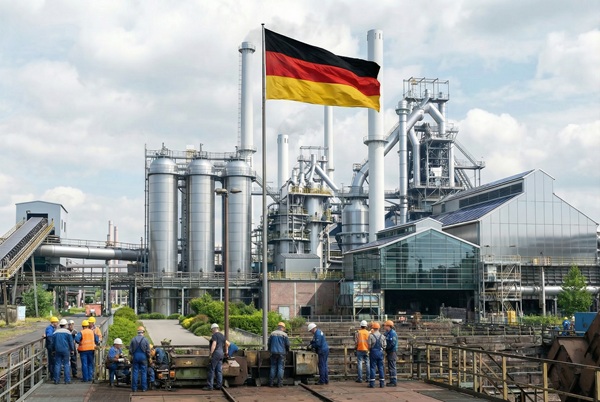
Factories in metalwork, plastics, textiles, furniture, and machinery often sponsor foreign workers for production-based roles. These jobs vary, from highly skilled to general labor.
Requirements For Applicants
Germany sets clear requirements for foreign workers applying for sponsorship. While these vary by visa type, some conditions are common to most applications.
A Valid Job Offer
Applicants must have a written contract or formal offer from a German employer. The contract describes the job title, duties, salary, and other terms. Without this, most visa applications cannot proceed.
Proof Of Qualifications Or Experience
Those applying for skilled roles need evidence of academic or vocational training. Workers relying on experience must provide letters, records, or other documents showing their years in the field.
Language Considerations
While not always mandatory, German language skill increases an applicant’s chances of success. Many employers prefer at least basic German proficiency, especially in health care, hospitality, and customer-facing roles. Some professions require specific language levels based on workplace regulations.
Medical And Police Certificates
Applicants usually undergo a health check and provide a clean police certificate from their home country. These steps are standard for most work visa programs around the world.
Financial Stability For Travel And Settlement
Applicants must show that they can support themselves during the initial stage of relocation if the employer does not provide housing or allowances. Many companies offer assistance, but the requirements vary by contract.
Recognition Of Foreign Qualifications
One of the most important parts of the German system is the recognition process. For professions with formal standards, Germany compares the applicant’s training with its own. This ensures that the worker can perform the job safely and effectively.
The recognition process applies to fields such as nursing, engineering, teaching, and technical trades. For unskilled or general labour roles, this step is usually not required.
Many applicants complete recognition while still in their home country. Others begin the process after arriving in Germany through the Opportunity Card or a pre-approval arrangement.
The Sponsorship Application Process
The path to receiving a visa usually follows several steps. While the process can appear complex, understanding each stage helps applicants prepare more effectively.
1. Job Search And Employer Screening
Applicants first identify German companies that sponsor foreign workers. Many employers advertise directly through international job boards, company websites, or government-approved recruitment programs.
Employers then review applications and confirm whether the applicant meets their needs.
2. Issuing A Contract Or Pre-Contract
Once an employer chooses a candidate, they prepare a contract. In some cases, a pre-contract is issued. This indicates that the employer intends to hire the applicant after visa approval.
3. Employer Documentation
German employers must file certain documents with authorities. This includes a job description, contract, wage level, and sometimes evidence of a labor shortage. Many sectors already recognize the shortage, so they don’t need to prove it.
4. Visa Application At The German Embassy
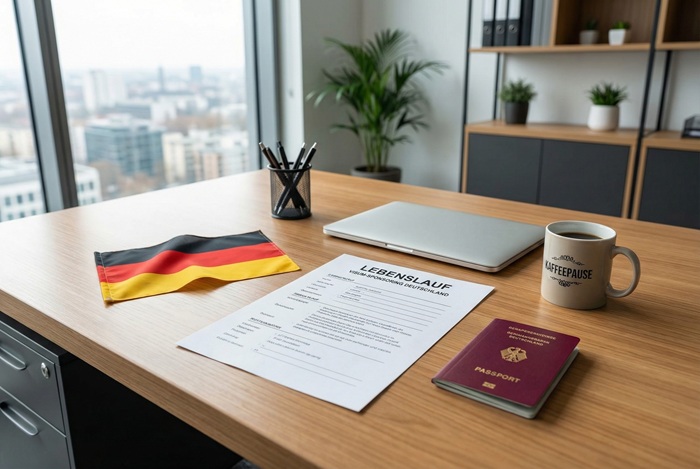
Applicants submit their documents to the German embassy or consulate in their home country. This includes the contract, passport, certificates, photographs, and application forms.
The embassy reviews the file and sends it to authorities in Germany for approval.
5. Visa Approval And Travel
Once approved, the applicant receives a visa allowing entry into Germany. Upon arrival, the worker then applies for a residence permit at the local immigration office.
6. Registration And Settlement
All residents in Germany, including foreign workers, must register their address at the local citizens’ office. Workers may open a bank account, enroll in health insurance, and complete other basic steps for daily life.
Living And Working In Germany
Germany offers stable working conditions and strong labour protections. Foreign workers enjoy the same rights as local employees regarding wages, hours, leave, and workplace safety. For many migrants, this stability is one of the strongest reasons to pursue sponsorship.
Most employers support new foreign workers during their first months. Some provide housing, while others help with paperwork, transport, or language courses. The experience varies by industry, but many workers report positive integration when they show effort and willingness to learn.
Pathways Toward Permanent Residence
Many visa categories allow long-term residence. After several years of employment, foreign workers may apply for permanent residence. The requirements include steady income, clean conduct, and basic German language skills. Permanent residence strengthens a worker’s future in Germany and allows greater stability for families.
Common Mistakes Applicants Should Avoid
Applicants sometimes encounter delays because of avoidable errors. The most common mistakes include incomplete documents, poor communication with the employer, incorrect recognition procedures, and lack of preparation for embassy interviews. To avoid these problems, it is helpful to follow embassy guidelines carefully and maintain steady communication with the employer.
Why Germany Remains A Strong Choice For Foreign Workers
Strong labour laws support Germany’s stable economy and workforce. Workers gain access to reliable wages, health insurance, social security contributions, career training, and long-term settlement options. In addition, employers often invest in the growth of their employees, which helps foreign workers develop stable careers.
The variety of jobs available makes Germany suitable for many categories of workers. Skilled professionals find open pathways in engineering, health care, technology, and science. At the same time, unskilled or semi-skilled jobs range from cleaning and hospitality to agriculture and logistics. This balance makes Germany one of the most accessible destinations for workers worldwide.
The article cited the following authoritative sources:
1. Make it in Germany — Working & living in Germany (official government portal)
https://www.make-it-in-germany.com/en
2. Federal Employment Agency (Bundesagentur für Arbeit) — Working in Germany
https://www.arbeitsagentur.de/en
3. German Federal Foreign Office — Visas for employment
https://www.auswaertiges-amt.de/en
4. Germany.info — Skilled Immigration Act & labour migration
https://www.germany.info/us-en
5. Make it in Germany — Opportunity Card (Chancenkarte)
https://www.make-it-in-germany.com/en/visa-residence/opportunity-card


 Hugh Kinnins